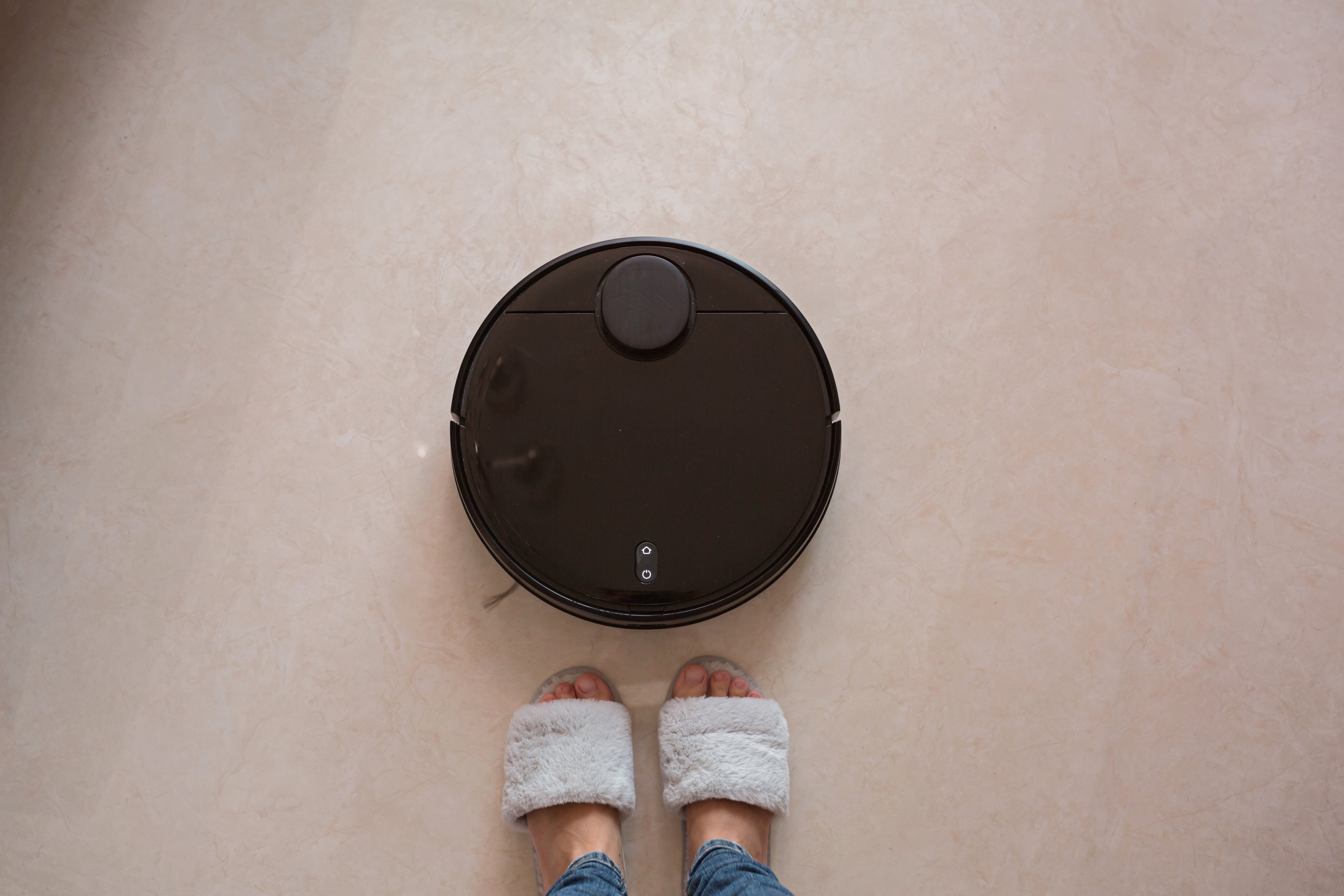
Robotic Hoovers: Revolutionizing Home Cleaning
In the fast-paced world we live in, where time is of the essence, family chores frequently take a rear seat. Amongst the most significant developments in domestic technology are robotic hoovers, or robotic vacuum. These intelligent devices have actually transformed the method individuals approach cleaning their homes, permitting performance and benefit that standard vacuuming can not match. This article digs into the functions, benefits, and future of robotic hoovers, in addition to dealing with typical queries about their performance and upkeep.
What Are Robotic Hoovers?
Robotic hoovers are automated vacuum developed to navigate through spaces and tidy floorings without human intervention. They utilize various technologies, consisting of sensors, cameras, and artificial intelligence, to spot dirt and browse barriers, making them a valuable addition to modern-day homes.
Secret Features of Robotic Hoovers
Smart Navigation: Most robotic vacuums are equipped with advanced sensory innovation that enables them to map and browse areas effectively. This includes:
- Lidar Sensors: To create a map of the home.
- Infrared Sensors: To prevent challenges and drops (like stairs).
- Cliff Sensors: Prevents the unit from falling off edges.
- Automated Scheduling: Many robotic hoovers can be configured to clean up at specific times, maximizing benefit for users.
- Self-Charging: Most models return to their docking stations when their battery is low, guaranteeing they are constantly charged and ready to clean.
- App Connectivity: Modern robotic vacuums typically feature apps that permit users to control their devices remotely, set schedules, and even view cleaning maps.
- Several Cleaning Modes: Options such as area cleaning, edge cleaning, and arranged cleaning allow for tailored cleaning routines based on the household needs.
Advantages of Robotic Hoovers
- Time-Saving: Robotic hoovers can run independently, releasing up important time for property owners to concentrate on other jobs.
- Consistency: They supply consistent cleaning performance and keep floor tidiness without the inconsistency that often features manual vacuuming.
- Accessibility: With their compact style, robotic hoovers can easily reach under furniture and into tight spaces where standard vacuums struggle.
- Upkeep of Various Floor Types: Many robotic vacuum can adjust to various surface areas, including carpets, hardwood, tile, and more.
- Combination with Smart Home Systems: They can be connected to smart home devices, enabling users to integrate them into their home automation systems.
Comparison of Popular Robotic Hoovers
Here's a brief comparison of some popular models in the market:
| Model | Smart Navigation | App Connectivity | Battery Life | Price Range |
|---|---|---|---|---|
| iRobot Roomba 675 | Yes | Yes | 90 minutes | ₤ 250 - ₤ 300 |
| Neato Botvac D7 | Yes | Yes | 120 minutes | ₤ 600 - ₤ 700 |
| Eufy RoboVac 11S | Yes | Limited | 100 minutes | ₤ 200 - ₤ 250 |
| Roborock S6 | Yes | Yes | 150 minutes | ₤ 500 - ₤ 600 |
| Shark ION Robot | Yes | Yes | 120 minutes | ₤ 250 - ₤ 350 |
Upkeep and Care for Robotic Hoovers
Despite their automated features, robotic hoovers need routine upkeep to guarantee their ideal performance. Here are some suggestions for keeping a robotic vacuum:
- Empty the Dustbin Frequently: Regular emptying helps preserve suction power.
- Clean the Brushes: Hair and particles can clog brushes; routine cleaning prevents this.
- Inspect the Filters: Dirty filters can hamper efficiency; they ought to be cleaned up or changed as defined by the maker.
- Examine Wheels and Sensors: Ensuring that the wheels are complimentary of obstacles and sensing units are clean will enhance navigation and efficiency.
- Update the Firmware: Keeping the robotic vacuum's software up-to-date can solve bugs and enhance functionality.
Future of Robotic Hoovers
As innovation continues to develop, the capacity for developments in robotic vacuums is huge. Innovations on the horizon may consist of:
- Improved AI Capabilities: Enhanced learning algorithms might enable robotic hoovers to better understand homes and cleaning requirements.
- Integration with More Smart Home Devices: Future models may end up being a lot more integrated with home automation systems, enhancing usability.
- Advanced Cleaning Features: Innovations like mopping capabilities and deeper carpet cleaning performance might broaden their energy.
- Sustainability Features: Future designs might incorporate environment-friendly innovations, such as solar charging or recyclable products.
Regularly Asked Questions (FAQs)
How much do robotic hoovers generally cost?
- Prices for robotic hoovers vary significantly depending on functions, however usually range from ₤ 200 to ₤ 800.
How loud are robotic hoovers?
- The majority of robotic vacuums operate at a noise level between 50 to 70 decibels, which is quieter than conventional vacuums.
Can robotic vacuums deal with pet hair?
- Yes, lots of robotic hoovers are created specifically with powerful suction and brushes to manage family pet hair successfully.
Do robotic vacuums work on carpets?
- Definitely. Look At This of robotic vacuums can clean up various kinds of surfaces including carpets, hardwood, and tiles.
Do I need to configure my robotic vacuum?
- While you can set schedules and preferences via an app, many models can likewise operate on demand or instantly when charged.
In conclusion, robotic hoovers represent an amazing leap in family cleaning technology, offering exceptional benefit and efficiency that interest modern homeowners. As technology continues to advance, these gadgets promise even better cleaning abilities, further enhancing home health and maintenance. For anybody wanting to streamline their cleaning routines, purchasing a robotic hoover can be a profoundly satisfying decision.